

EPO’s New Drawing Standards and Their Strategic Impact
October 29, 2025

law department ip management intellectual property
Effective 1 October 2025, the European Patent Office (EPO) began accepting colour and greyscale drawings in patent applications, representing a shift far beyond aesthetics. This update redefines how patent professionals present inventions, communicate technical nuances, and strategically align with global IP practices.
For applicants and counsel, detailed implementation guidelines are clear: this rule opens new opportunities for greater accuracy, efficiency, clarity, and portfolio optimisation.
Key Updates from the EPO
- Electronic Filing: Colour and greyscale drawings are now allowed in Euro-direct and Euro-PCT applications. Hybrid submissions (mix of black-and-white and colour) are permitted.
- Scope and Limitations: Colour applies only to drawings. Text in descriptions, claims, or abstracts must remain colour-free. Avoid referencing colours in text.
- Euro-PCT Applications: Colour drawings are not published internationally under PCT. When submitted via ePCT or Online Filing 2.0, they are preserved in PATENTSCOPE for European phase filings.
- Amendments and Translations: Corrected drawings can include colour/greyscale if consistent. Translations must match the original format.
- Publication and Public Access: Applications and granted patents will display colour/greyscale drawings in B-publications, improving clarity for examiners and third parties.
Why This Matters for Patent Strategy
Historically, EPO filings were limited to black-and-white line drawings, forcing illustrators to rely on hatching and shading to depict textures, material differences, or structural complexity. Although functional, this approach often resulted in dense, hard-to-interpret figures prone to misinterpretation.
By introducing colour, applicants and counsel gain several strategic advantages:
- Enhanced clarity and precision: Complex features are shown with greater accuracy, reducing reliance on dense linework.
- Lower risk of misinterpretation: Clear visuals help examiners, courts, and third parties interpret inventions consistently, leaving less room for ambiguity, strengthening enforceability.
- Global alignment: Aligns European filings with other jurisdictions that already allow colour, making them consistent with global standards.
- Portfolio optimisation: Drawings become strategic assets to support prosecution, licensing, and enforcement strategies.
- Improved workflow efficiency: Integrates with electronic filing systems and PATENTSCOPE.
Cross-Industry Impact
- Biotechnology and Life Sciences: Colour drawings can help differentiate tissue structures, proteins, and medical device components, improving clarity to biological systems.
- Chemistry: Clearly illustrate reaction pathways, compounds, and functional groups.
- Mechanical Engineering: Exploded views, assembly diagrams, and material distinctions become easier to interpret.
- Electrical and Electronics: Wiring layouts, circuit pathways, and layered components are easier to follow when colour separates overlapping elements.
In each case, colour drawings improve readability, reduce examiner objections, and minimise examiner objections or downstream disputes.
From Linework to Colour: A Comparative View
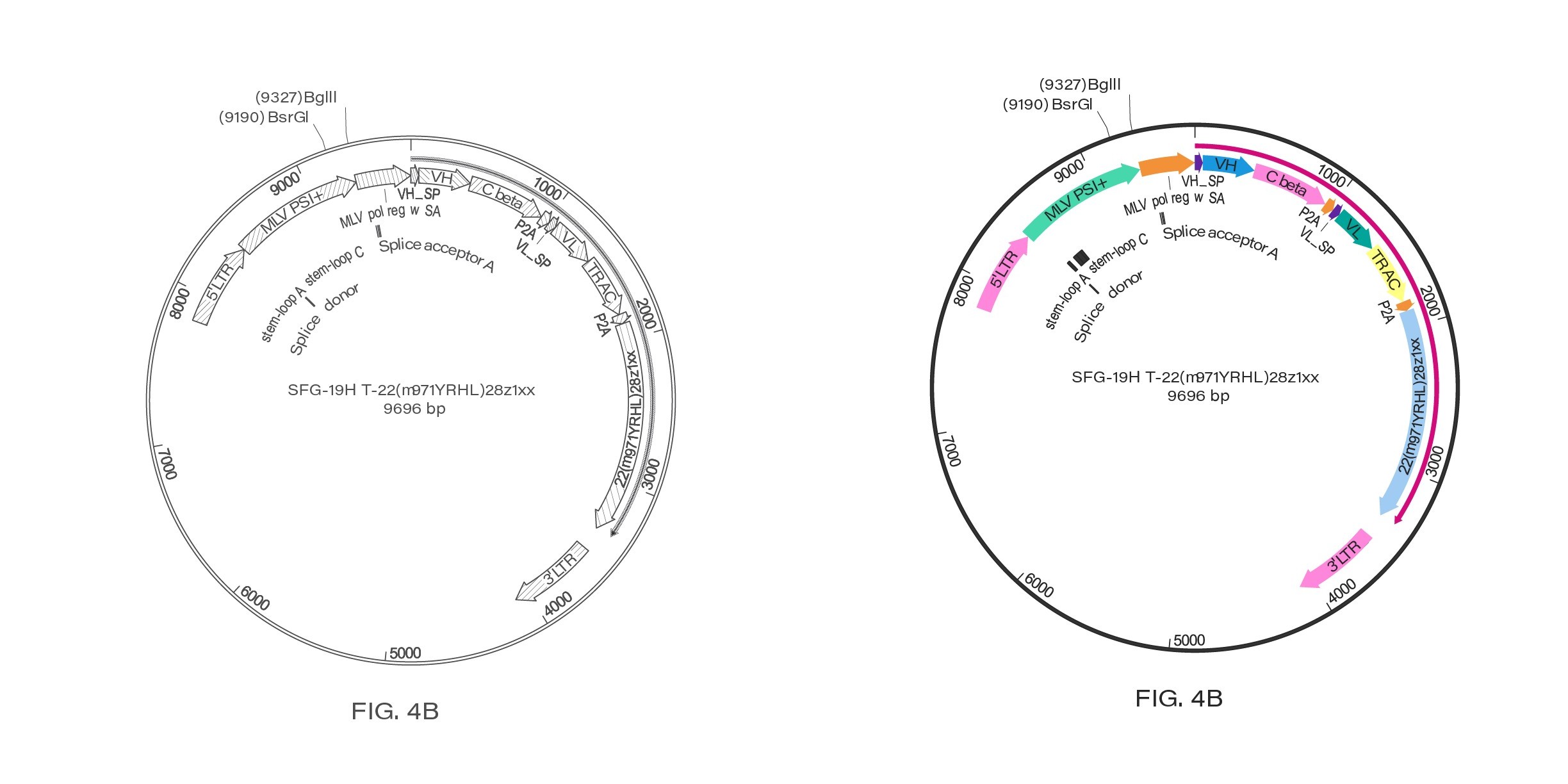
Traditional black-and-white illustrations rely on repetitive patterns and shading, which could obscure key features, while colour drawings can deliver:
- Immediate visual distinctions between components
- Greater emphasis on critical features
- Improved consistency when comparing filings across jurisdictions
See below, side-by-side comparisons showing how colour-enhanced drawings outperform hatch-based ones. Developed by our experts, these examples show how colour elevates presentation quality, improves readability, and strategically strengthens the value of patent drawings.
Expert Opinion
The EPO’s new rule allows applicants to convey technical details more accurately. However, it also brings new considerations, from ensuring colours don’t mislead or limit claims, to deciding whether colour truly adds value to a given invention. Both applicants and examiners will need to develop experience with this new dimension, as its legal and procedural implications unfold over time.
–Heiko Wongel
Patent Information Consultant
Former EPO Examiner and Patent Information Director
To navigate this transition effectively, applicants and counsel should consider the following best practices:
- Evaluate Current Drawings: Identify cases where colour adds value i.e. clarifies complex features or reduce interpretive risk
- Avoid Colour References in Text: Use labels or reference numbers instead
- Check Euro-PCT Availability: Ensure colour drawings are preserved in PATENTSCOPE and referenced in international publications
- Maintain Format Integrity: Amendments, corrected drawings, and translations should match the original filing format
- Leverage Expertise: Leverage professional illustrators and experts to ensure clarity, compliance, and strategic advantage
Preparing for Implementation
- Audit Pending and Upcoming Filings: Identify where colour drawings add value.
- Align Global Portfolio Strategy: Harmonise practices across jurisdictions to streamline prosecution and reduce friction.
- Upgrade Existing Drawings: Refresh cases with overlapping subject matter to leverage colour effectively.
- Adhere to EPO guidelines: Avoid colour in textual elements and maintain consistency in amendments and translations.
- Partner With Experts: Ensure drawings are both compliant and strategically advantageous.
Our Role in Maximising the Opportunity
EPO’s new rule is more than a procedural update, it represents a strategic inflection point in European patent practice. At Elevate, our team of technology experts and skilled illustrators are well positioned to support legal teams and applicants to make this transition seamless, ensuring that drawings are not only compliant with EPO standards but also strategically crafted.
Early adoption guided by expert advice and professional support can transform colour drawings become assets that elevate the quality and effectiveness of your IP strategy.
Learn More about our Intellectual Property Services